Granite countertops might look tough as nails, but don’t let their rock-solid appearance fool you. Just like your favorite superhero, they need a little protection to keep them from turning into a hot mess. Sealing granite isn’t just a fancy trend; it’s essential for keeping your surfaces looking fabulous and stain-free.



DISCLOSURE: https://granitegod.com/ is supported by you the reader so if you buy any products featured on this site I may earn an affiliate commission. As an Amazon Associate I earn from qualifying purchases
In this article, you’ll discover:


- Why granite’s porous nature makes it a magnet for spills
- The benefits of sealing and how it saves you from future headaches
- How often you should seal your granite to keep it in tip-top shape
Understanding Granite
Granite’s not just a pretty face; it’s a rock-solid option for your home. With its unique composition and properties, understanding granite is key to appreciating why sealing it is essential.
Composition of Granite
Granite’s made up of minerals—mostly quartz, feldspar, and mica. Quartz gives it that dazzling sparkle, while feldspar adds the strength. You might think of it as the superhero of stones; tough, resilient, and full of character. In fact, granite contains about 20-60% quartz and up to 30% feldspar, which help make it durable (source: Georgia Stone Industry). Now that’s a rock that can take a beating—figuratively, of course.


Importance of Sealing Granite
Sealing granite doesn’t just keep your surfaces pretty; it’s essential for maintaining that expensive-looking aesthetic. Think of sealing as a protective superhero cape for your countertops.
Protection from Stains
Granite’s porous nature means it loves to absorb spills. Coffee, red wine, and all those kitchen mishaps turn into unwanted stains if you don’t seal it. Keeping your granite sealed reduces stain penetration by up to 99% (source: Marble Institute of America). So go ahead, slice a lemon or two; just don’t forget to seal!
Preventing Bacteria Growth
Granite’s surface might look tough, but without sealing, bacteria find a cozy home in those tiny pores. One study found that sealed granite shows significantly lower bacterial counts compared to unsealed granite. Your food prep station deserves to be cleaner than your teen’s bedroom, so sealing is a must to keep those pesky germs at bay.


How to Seal Granite
Sealing granite isn’t rocket science. It’s more like a quick, informative spa day for your countertops.
Recommended Sealing Products
You can’t just grab any old product off the shelf. Look for sealers specifically made for granite. Here are a few reliable choices:
- StoneTech BulletProof Sealer: This one’s a heavyweight champion. It lasts up to 5 years, protecting against stains like a superhero.
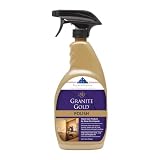
- Granite Gold Sealer: Easy to use and ideal for DIYers. You can spray it on and wipe it off without breaking a sweat.
- TriNova Granite Sealer: A fan favorite! Cheers loudly for its water-based formula that’s safe for food prep areas.
When sealing granite, check for low-VOC options. Your lungs will thank you.
Step-by-Step Sealing Process
- Clean the Surface: Wipe down your countertop with a gentle cleaner. It’s kinda like giving it a warm hug before the big day.
- Test for Absorption: Splash a little water on the surface. If it beads up, it’s ready. If it absorbs, it’s crying out for help.
- Apply the Sealer: Use a soft cloth, and apply the sealer, working in small sections. Think of it like frosting a cake—smooth and even.
- Let it Sit: Allow the sealer to penetrate for 10-15 minutes. Go grab a snack; you deserve it!
- Wipe Off Excess: After the time’s up, wipe any excess with a clean, dry cloth. No one wants a soggy countertop.
- Cure Time: Give it 24 hours to cure before exposing it to spills. Patience is a virtue.
Signs Your Granite Needs Sealing
You might wonder how to know when your granite countertops are crying out for a seal. Look out for some telltale signs to keep your counters happy.
Visual Indicators
Stains? They’re like that uninvited guest at a party. If coffee or red wine leaves you with unwanted stains, your granite needs a sealing intervention. Water beads on the surface? That’s a good sign! If water disappears into the stone like a magician, it’s time to grab that sealing kit. Remember, a well-sealed granite countertop keeps those pesky stains at bay—reducing stain penetration by up to 99% (source: StoneWorld).
Performance Indicators
When it comes to performance, pay attention to how well your granite holds up against spills. If you find your granite absorbs a little too quickly, it’s waving a red flag at you. A simple water test can help. Just put a few drops on the surface. If the water doesn’t bead up and disappears within 5-10 minutes, you’re in the danger zone. It’s like your countertop shouting, “Help, I need sealant!”
So, keep an eye out for these signs. Your granite deserves the best care and sealing can save you from endless scrubbing and stains down the line.
Conclusion
So there you have it sealing granite is like giving your countertops a superhero cape. It protects them from stains and bacteria while keeping them looking fabulous. Who wouldn’t want to save their granite from the perils of coffee spills and red wine disasters?
By sealing your granite you’re not just making a wise choice for your kitchen you’re also saving yourself from future headaches. Remember to keep an eye out for those telltale signs that it’s time for a refresh.
Now go ahead and give your granite the love it deserves. After all a little sealing goes a long way in keeping your kitchen looking sharp and your countertops ready for action.